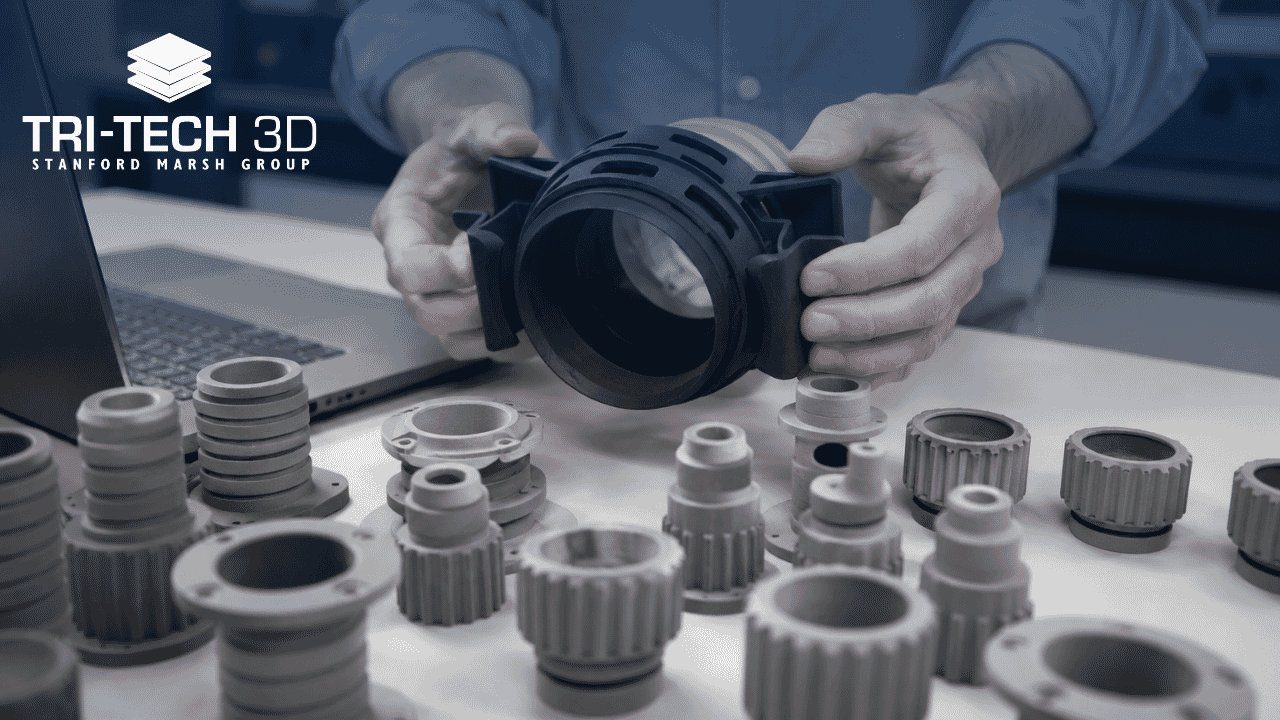
The additive manufacturing trends for 2026 are not about future possibilities. They’re about what’s working in practice, right now. From faster tooling to reliable end-use parts, additive manufacturing is reshaping how products are designed, made, and delivered; giving you the speed, flexibility, and control you need to stay ahead in a rapidly changing market. We caught up with our Sales Manager, Rob Pitts, to get the low-down on what’s trending in additive manufacturing this year. Here are the key shifts, technologies, and opportunities that are set to define the space in 2026…
From prototyping to practical production
One of the most significant additive manufacturing trends in 2026 is the move from prototyping towards real-world industrial application. For years, the focus has been on what additive manufacturing might do; but in 2026, we’re looking at what it can reliably deliver today.
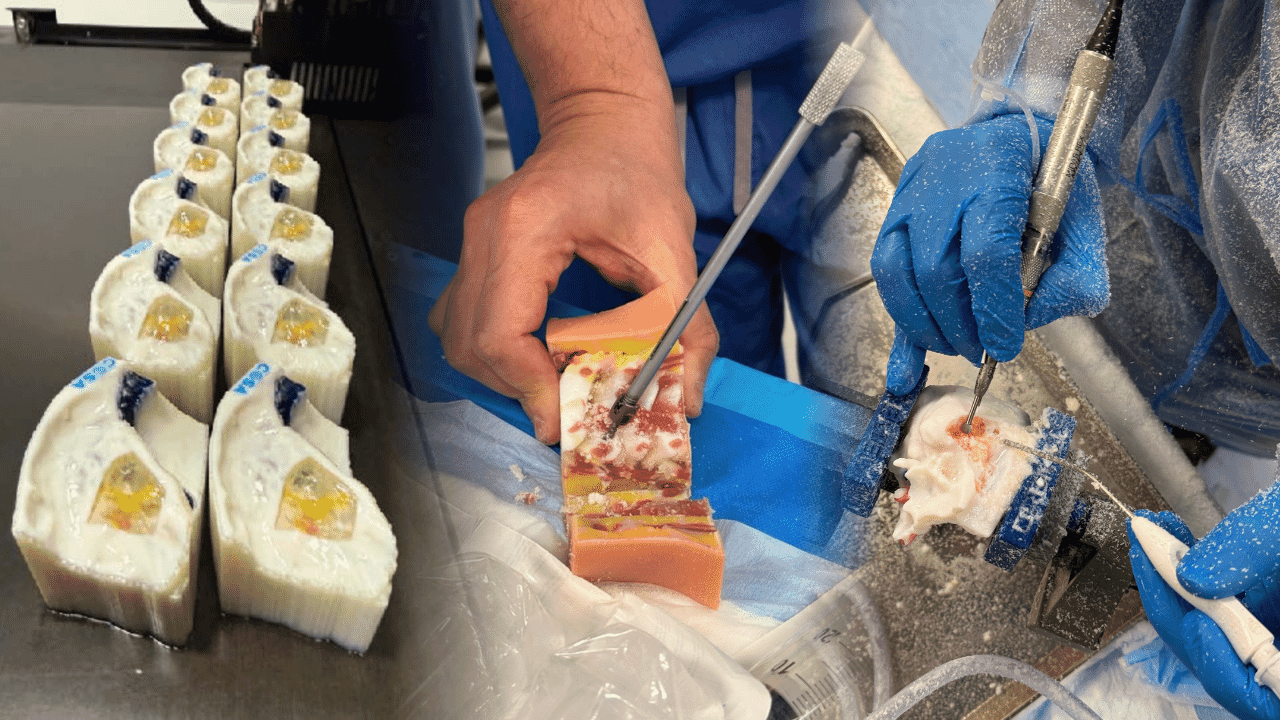
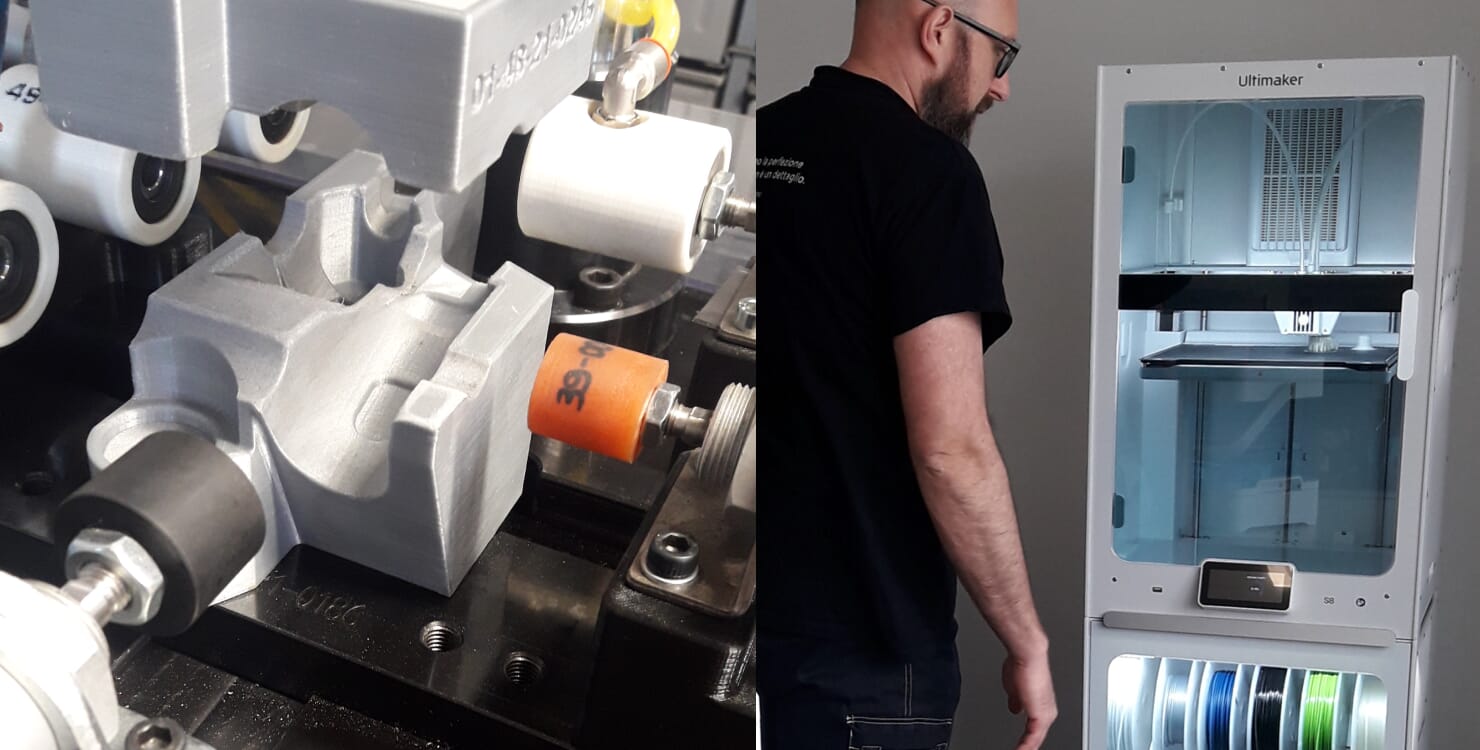
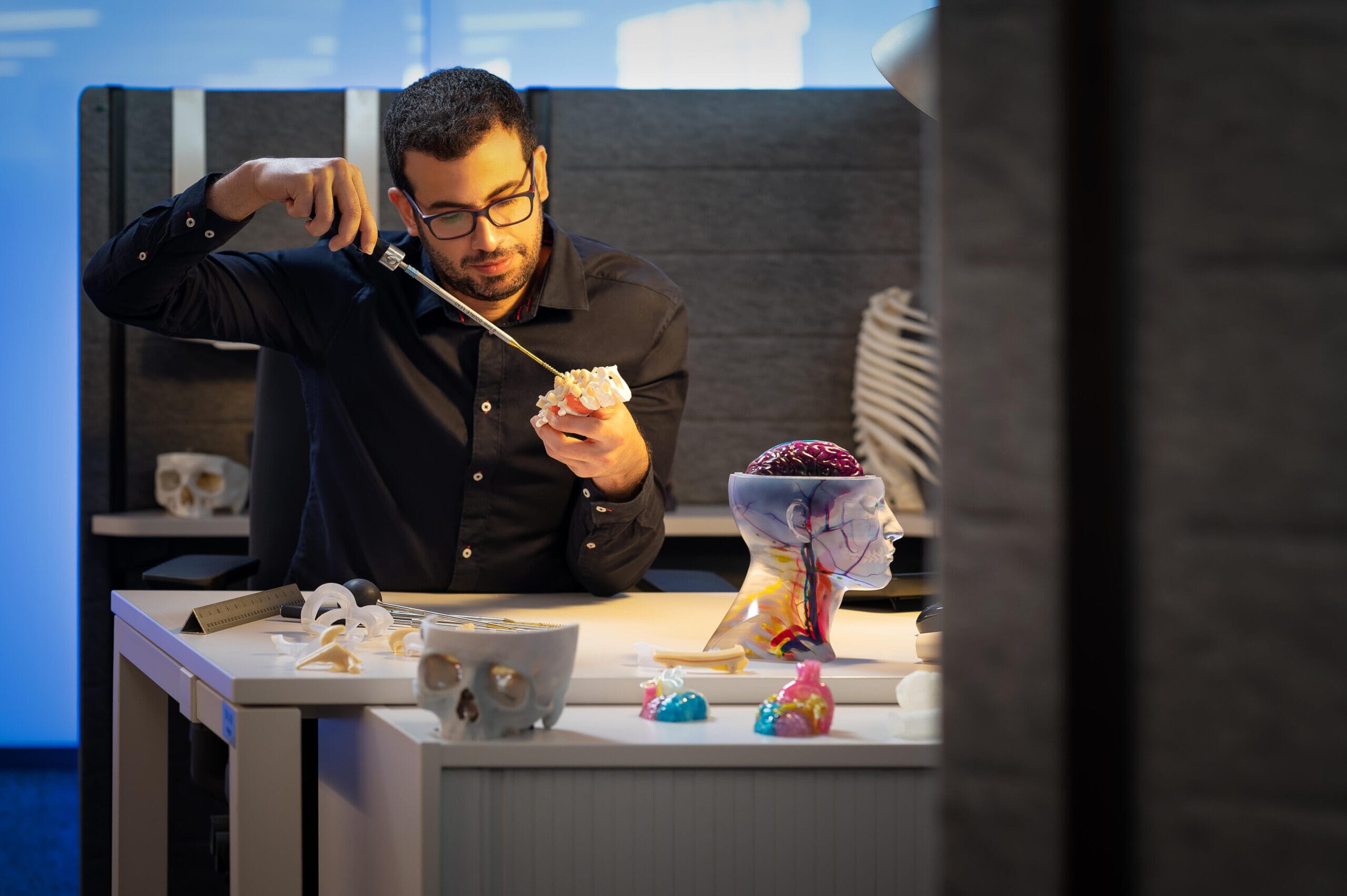
But “production” doesn’t necessarily mean mass manufacturing. It means low-volume, high-value applications where you need to produce reliable parts fast. Additive manufacturing enables you to produce everything from lightweight aerospace brackets and rail interior components to injection mould tooling, production jigs, and even patient-specific medical guides in-house, helping to reduce your reliance on external supply chains and improve your responsiveness.
Accelerating design and decision making with AI
AI in additive manufacturing has advanced rapidly in recent years. In 2026, AI isn’t about replacing engineering judgement; instead, it enables you to move from data to decisions in minutes and solve complex problems much faster.
Thanks to AI, material selection no longer needs to slow you down. You can upload and compare multiple data sheets in seconds, and quickly identify the right material based on key properties like tensile strength and heat deflection temperature.
At the same time, generative design tools such as Fusion 360 are transforming how you approach design. AI can generate multiple optimised solutions based on your constraints and performance requirements, allowing you to design lightweight, high-performance geometries that would be difficult to achieve using traditional methods.
Materials driving the additive manufacturing future
While machine technology is continuing to evolve, materials are the real growth engine behind the additive manufacturing future. You now have far more material options to choose from than ever before, allowing you to select materials based on your application requirements rather than design limitations.
One exciting material development we’re seeing this year is Ultracur3D RG 3280: a ceramic-filled resin that’s validated on Origin P3 DLP technology. It offers high stiffness and exceptional temperature resistance, opening the doors to exciting new opportunities in bridge tooling and low-volume tooling for injection moulders. Previously, your only option would be CNC machining metal tools with long lead times and high costs; but additive manufacturing now offers a faster, more cost-effective option for pint runs of up to 500 parts.
Certification unlocks industrial confidence
One of the biggest additive manufacturing trends in 2026 is the growing importance of certified materials. As more industries look to use additive manufacturing for end-use parts, confidence and compliance are becoming essential requirements.
Certified materials have been tested and validated against recognised industry standards, for example BS EN 45545 for rail vehicles, giving you peace of mind that your parts will perform exactly as expected. With the right certified materials and processes in place, you’re not limited to just prototyping or non-critical parts; instead, you can quickly move into end-use production with confidence.
Turn opportunity into capability with Tri-Tech 3D
Ready to turn additive manufacturing into real production results? Tri-Tech 3D can help you get there much faster.
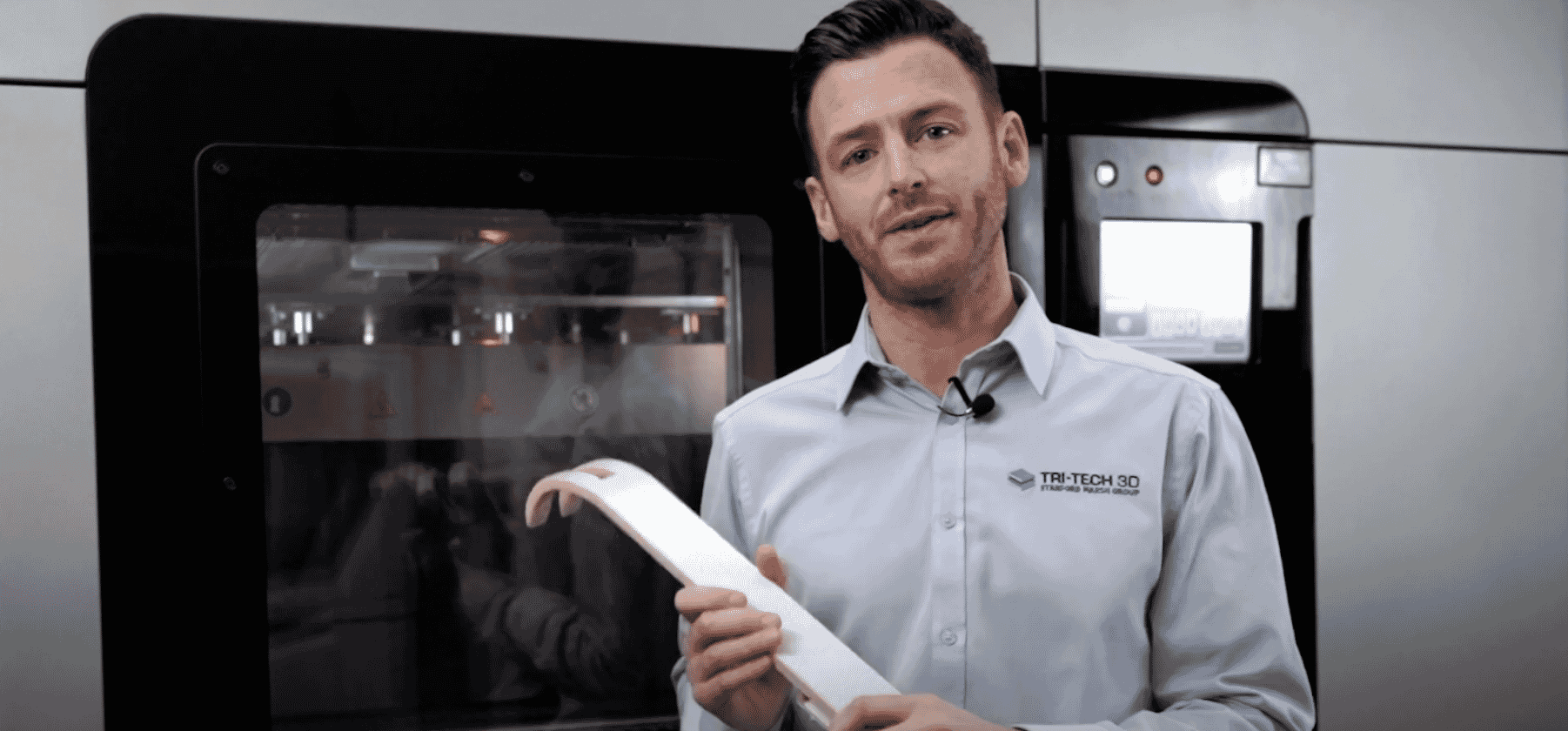
As a leading provider of Stratasys systems, we have access to a huge range of cutting-edge 3D printing technology and materials for the world’s most demanding industries. Whether you’re producing lightweight aerospace brackets with high strength-to-weight performance or patient-specific medical guides tailored to individual anatomy, we’ll work with you to identify the right solution for your application, enabling you to move from first print to full adoption with confidence.
Get in touch to discover what additive manufacturing can deliver for you.
FAQs
What are the biggest additive manufacturing trends in 2026?
The biggest additive manufacturing trends in 2026 include the shift to production-ready applications, wider material availability, and the increased use of AI in design and decision making.
How is AI being used in additive manufacturing today?
In 2026, AI is being used in additive manufacturing to help simplify material selection, accelerate design processes through generative design tools, and improve overall workflow efficiency.
Why are materials so important in additive manufacturing?
Materials determine how and where you can use additive manufacturing. With a wide range of high-performance and certified materials now available, you can produce stronger, more reliable parts for real-world applications.
New to 3D
Printing or looking
for some support?
- Call: 01782 814551
- Email: info@tritech3d.co.uk