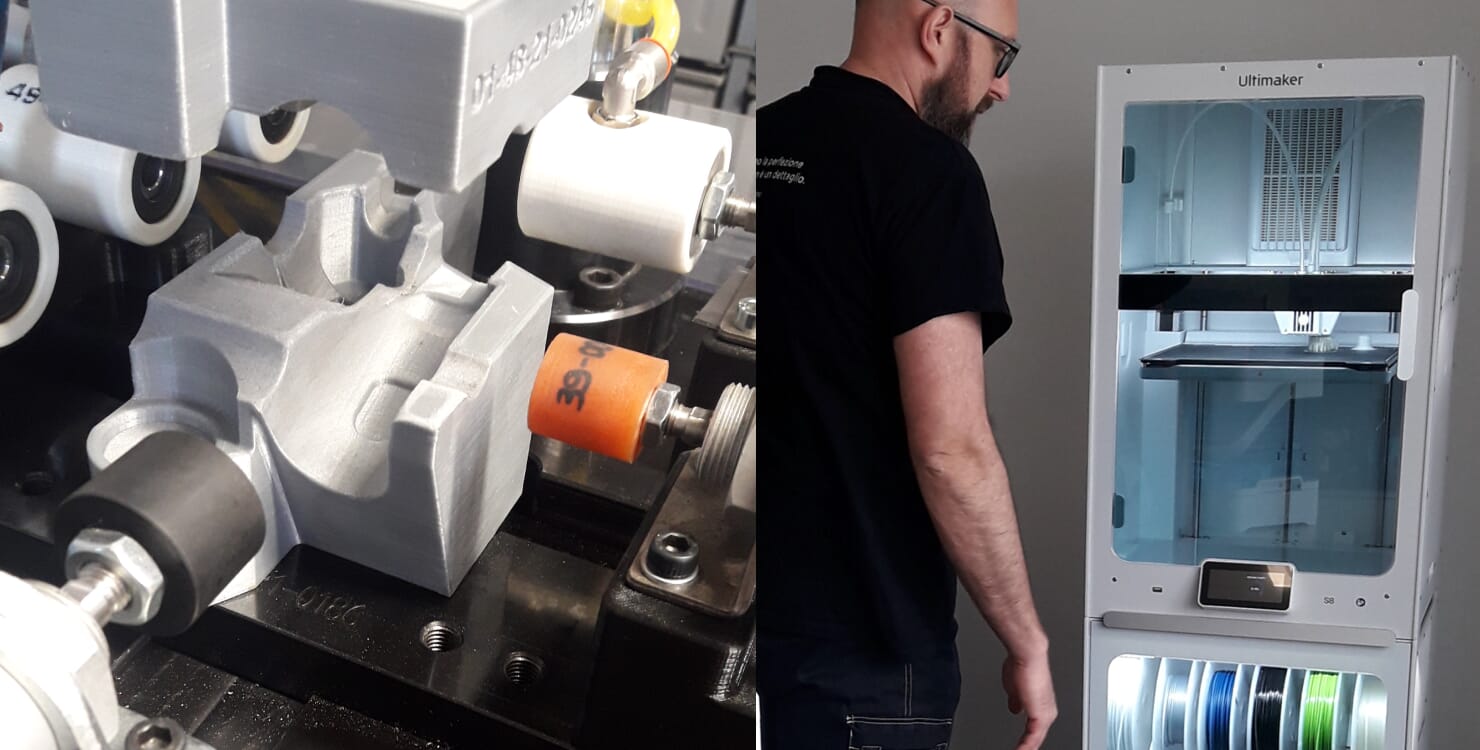
Developing a part that will sit three inches from a jet engine? Need a duct that will be routed through an exhaust system? Material matters in environments like these. Get it wrong, and you could end up with a part that warps, cracks, or fails in service; and takes your schedule and budget down with it.
For years, the only choice we’ve had is to machine from metal, and absorb the weight, cost, and lead times that come with it. 3D printing is now changing the game, enabling you to produce high-temperature resistant parts that stand up in sustained heat, hold their strength, and do it all lighter and faster than a machine shop ever could. Here are the materials that make it possible.
Meet the materials that changed the rules
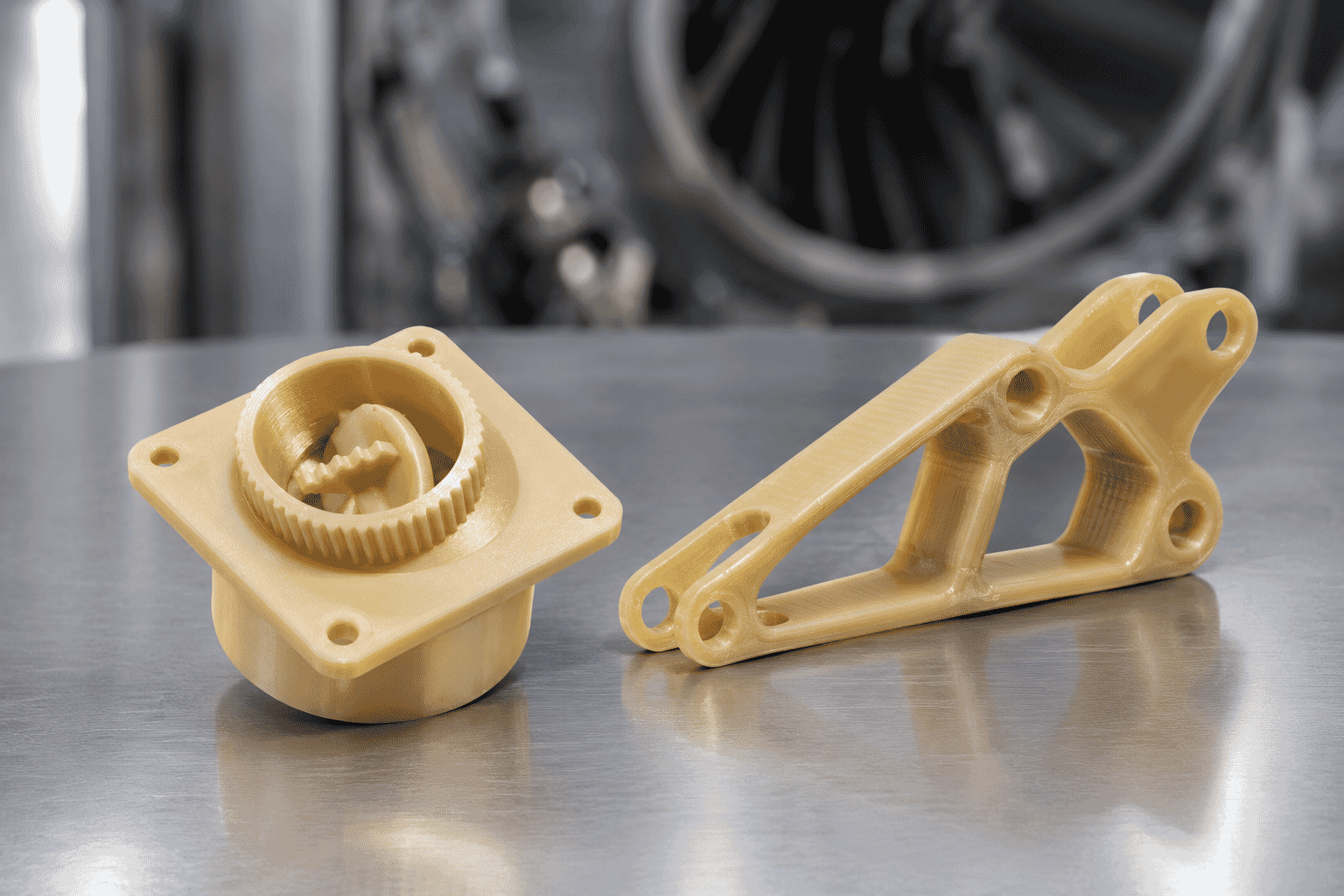
Most 3D printing materials buckle under sustained heat, chemical exposure, and constant mechanical load. But ULTEM 1010, ULTEM 9085, and PEKK-based Antero 800NA don’t. They hold their strength, resist chemicals, and stay light when exposed to high temperatures; the ultimate recipe for production parts that need to perform in the world’s most demanding environments.
ULTEM 9085 has become the go-to choice for aerospace and rail. It’s a PEI (polyetherimide) thermoplastic that meets the flame, smoke, and toxicity standards that both industries demand; without the weight penalty of machined metal. Need something tougher? ULTEM 1010 takes heat and chemical resistance even further, making it ideal for parts that need to survive sterilisation, fuel exposure, or sustained thermal load.
Antero 800NA takes a different route entirely. Built on PEKK (polyether ketone ketone) rather than PEI, it trades some of that heat resistance for wear resistance and low outgassing. The low outgassing makes it well-suited for semiconductor manufacturing and cleanroom tooling where contamination could be a dealbreaker, while the wear resistance is key for aerospace parts that need to survive years of hard use.
Where you’ll find these materials at work
These materials are already firmly in service across aerospace.
ULTEM 9085 is now core to how Airbus builds aircraft; printing more than 25,000 parts per year, with 200,000 already in flight. As Serge Senac, Airbus Industrial Leader for Polymer Additive Manufacturing, explains, “We can produce certified, repeatable parts faster, with less reliance on complex supply chains. This manufacturing flexibility reduces costs and ensures improved response times to meet the needs of our customers around the world.”
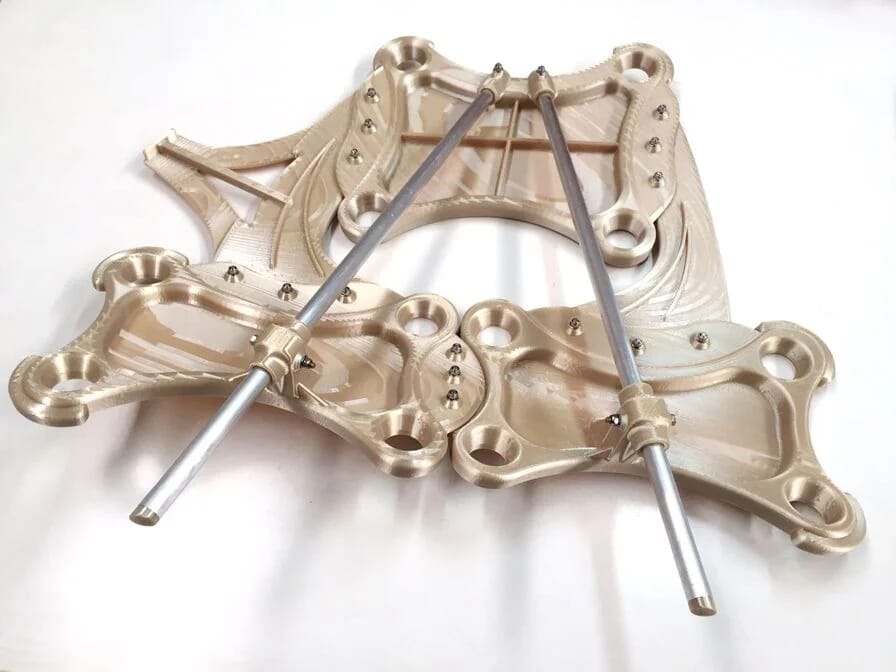
Antero 800NA is currently flying on NASA’s Orion spacecraft, too. Lockheed Martin uses it alongside ULTEM 9085 to produce more than 150 polymer parts for the Artemis moon missions, from docking hatch covers to ducting and brackets. The docking hatch cover for the Artemis II alone is a metre-wide, six-piece printed assembly, which is exactly the kind of complex part that conventional manufacturing can’t justify.
But it’s not just about surviving the heat
As our Company Director, Adrian Painter, remarks: “High-temperature 3D printing is no longer about whether we can print a material that withstands heat. The technology and materials have moved on, so the bigger question is whether we can engineer a better-performing component around those materials.
“That’s where additive manufacturing becomes interesting – combining temperature resistance with lightweighting, complex geometry, and part consolidation to solve problems that conventional manufacturing can’t always solve economically.”
So, the question isn’t just whether your part will hold up at temperature. It’s whether that part could be lighter, easier to assemble, or cheaper to produce. Here are a few ways that additive manufacturing can help you get there:
Weight
3D printing strips weight from brackets and other components with topology optimisation and lattice structures, without compromising the strength of your part. This is something that machining a solid block of metal could never do.
Assembly
Additive manufacturing allows you to consolidate several fastened or welded components into a single part. You can remove the joints, fasteners, and potential failure points, and cut out the labour of putting it together.
Cost
Skip the tooling and minimum order quantities that machining demands, and produce exactly the parts you need when you need them. No more waiting weeks or forking out thousands for a simple mould or fixture.
Build better heat-resistant parts with Tri-Tech 3D
Getting the best results with high-temperature materials isn’t just about picking the right filament. You need the right printer, the right process, and the right team that understands how these materials actually behave under real thermal and mechanical load.
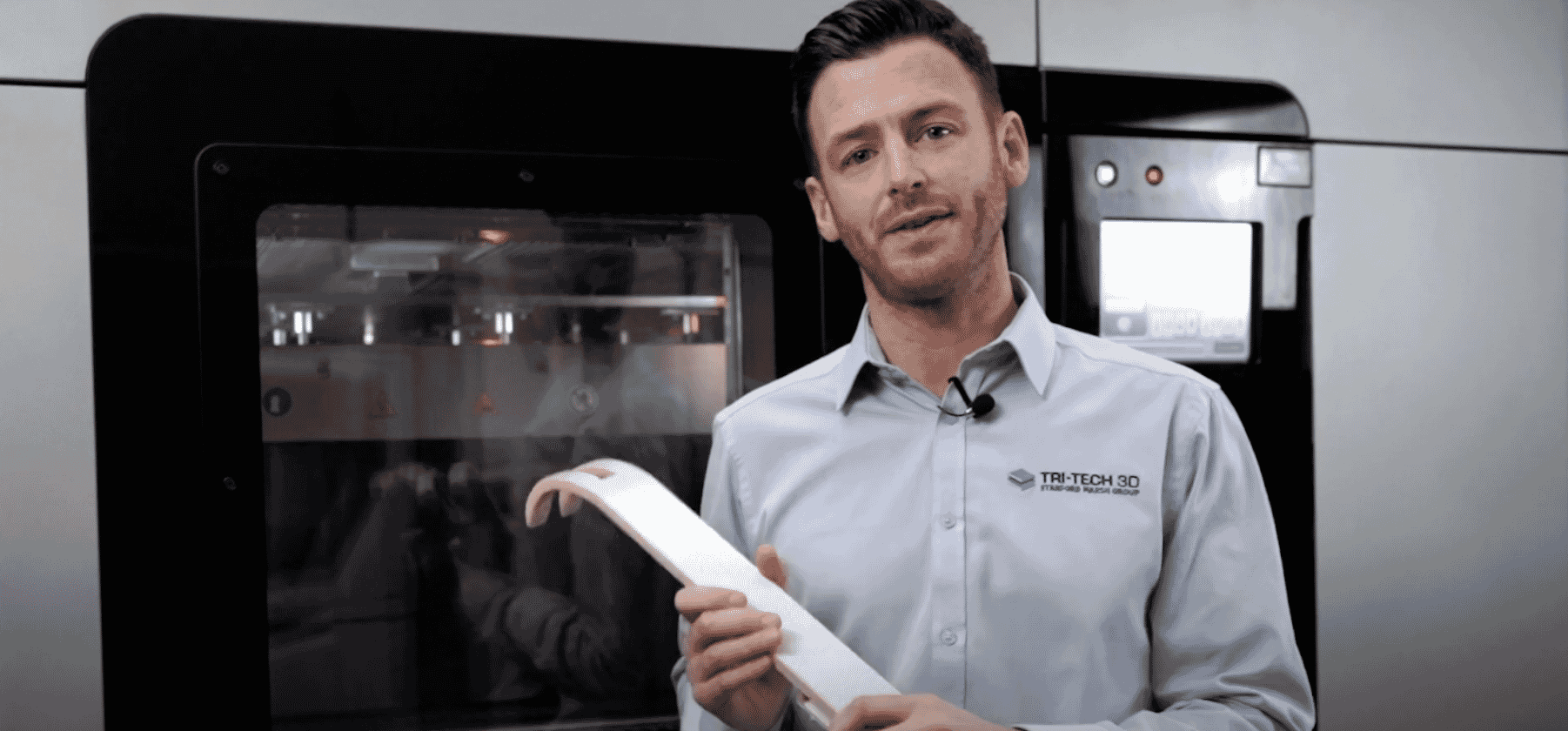
As the UK’s leading provider of Stratasys and other leading 3D printing technologies, we’re here to help you get it right. Whether you’re specifying your first high-temperature part or fixing one that keeps failing in service, we can guide you through the different technologies and materials, and support you every step of the way as you tackle even the most demanding applications. Get in touch to talk through your requirements.
FAQs
What makes a 3D printing material suitable for high-temperature applications?
The best materials for high-temperature applications combine heat deflection temperature, mechanical strength, and chemical resistance. Materials such as ULTEM 1010, ULTEM 9085, and Antero 800NA are some of the best around, giving you the heat resistance, strength, and low weight that your part needs.
What’s the difference between ULTEM and PEKK-based materials like Antero 800NA?
ULTEM 1010 and ULTEM 9085 are PEI-based thermoplastics known for their heat resistance. ULTEM 9085 also meets the flame, smoke, and toxicity standards for aerospace and rail. Antero 800NA is PEKK-based and adds strong wear resistance and low outgassing, which makes it a strong fit for tooling and applications that need strong surface durability and heat resistance.
Which industries use high-temperature 3D printed parts in production?
High-temperature resistant parts are widely used by the aerospace, automotive, rail, and industrial manufacturing industries. Common applications include ducting, tooling, brackets, and other end-use components that sit close to heat sources or need to survive demanding operational conditions.
New to 3D
Printing or looking
for some support?
- Call: 01782 814551
- Email: info@tritech3d.co.uk